Support
Frontline support for repairs, recovery, setup, device issues, and day-to-day operational reliability.
- On-site and remote troubleshooting
- Repair, cleanup, and reliability tuning
- Backup, recovery, and setup support
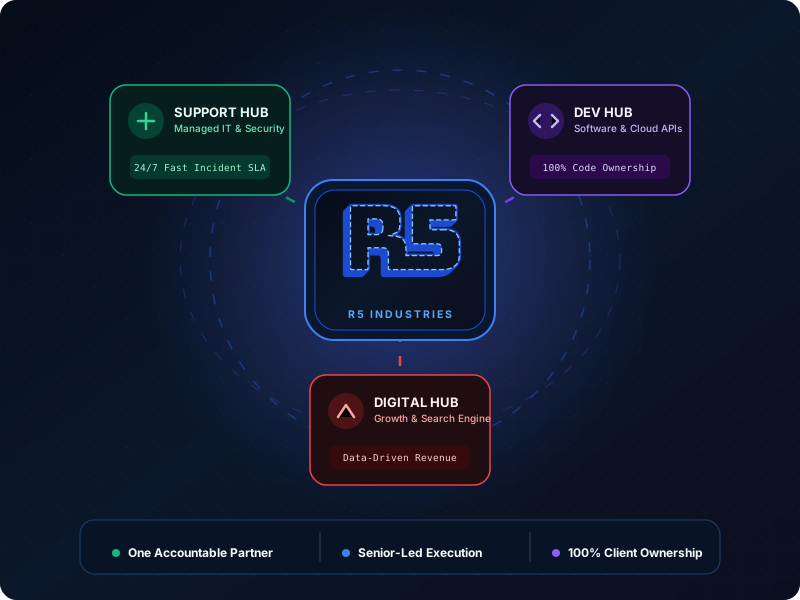
Explore our three dedicated service hubs: Support, Development, and Digital.
Whether you need office IT support, custom software development, or digital marketing, get direct help from experienced technicians and engineers without juggling disconnected vendors.
Frontline support for repairs, recovery, setup, device issues, and day-to-day operational reliability.
Websites, apps, integrations, portals, and automation systems built around how your team actually works.
Search, paid media, lifecycle campaigns, reporting, and content operations tied to measurable growth.
Fix your most urgent problem first, then easily bring in other services when your business is ready for the next step.
Upgrade your website, get found on Google Maps and search, run targeted ads, and make sure every inquiry gets a prompt follow-up.
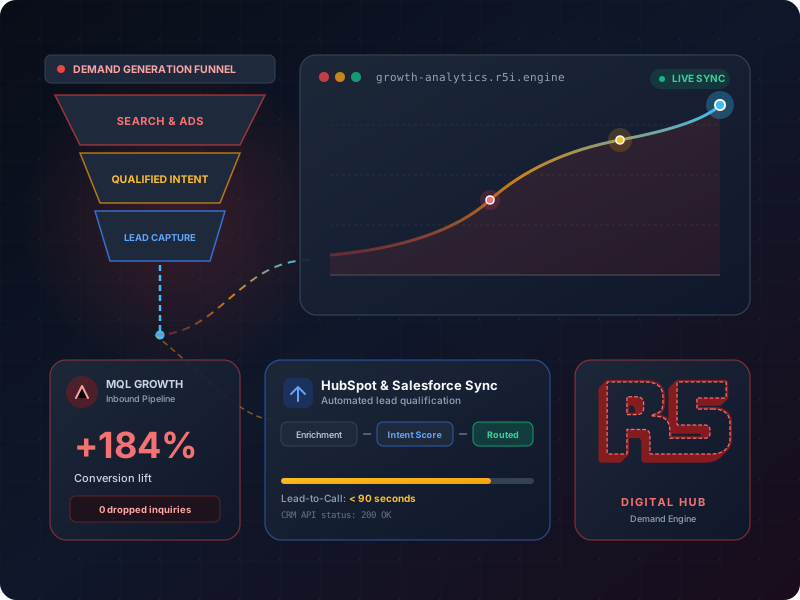
Save hours every week by connecting your tools, automating customer follow-ups, and eliminating manual data entry.
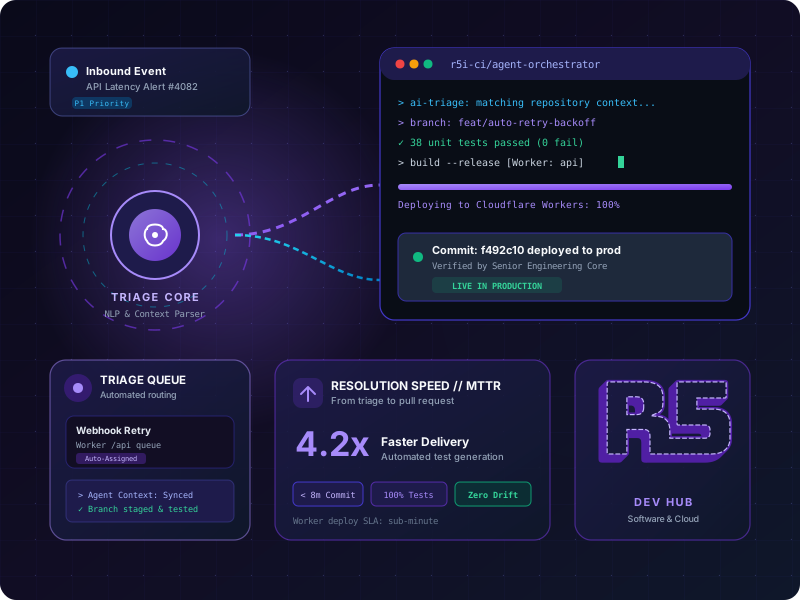
Connect your website, point-of-sale or booking software, and back-office tools into one reliable system without software clutter.
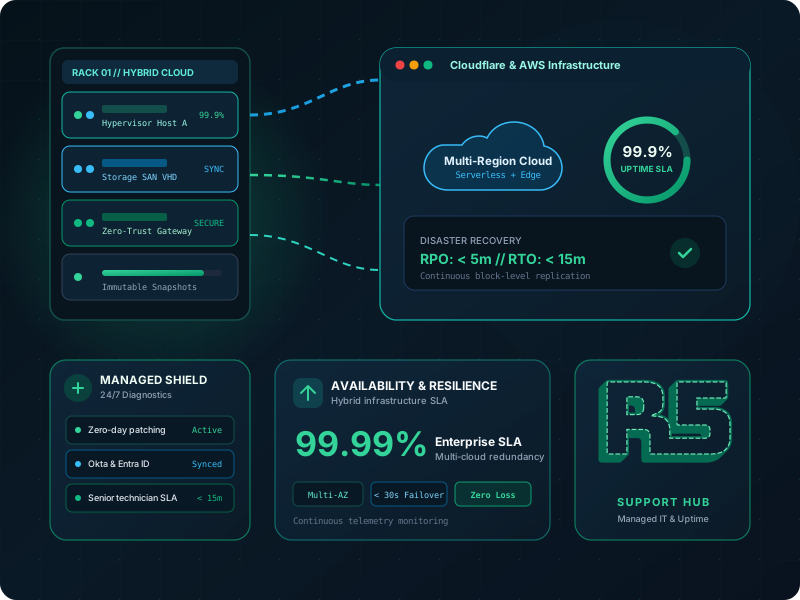
Sensible security, clear milestones, direct communication with the people doing the work, and transparent pricing.
Speak directly with the technicians, software developers, and marketers doing the actual work—no account managers or middlemen.
Practical security safeguards, reliable code quality, and dependable backups protect your operations in every engagement.
We solve your immediate bottleneck first and only recommend additional work when it directly supports your goals.
Dedicated craftsmanship for each discipline, with one reliable team accountable for the final outcome.
Get help across IT support, software, website, and growth marketing without juggling separate freelancers or agencies.
Each team focuses deeply on its craft—Support, Development, or Digital—while coordinating under the same high standards.
Projects are shaped around what you actually need right now, never forcing unnecessary retainers or rigid packages.
Sensible data privacy, encrypted backups, and access controls are built into every solution without slowing your team down.
We measure progress by tangible results—uptime, customer inquiries, faster response times, and hours saved.